
Frequently Asked Questions
Have questions about Barbara's ADHD coaching? Here are some answers to help you get started.
What kinds of challenges do you typically work on with clients?
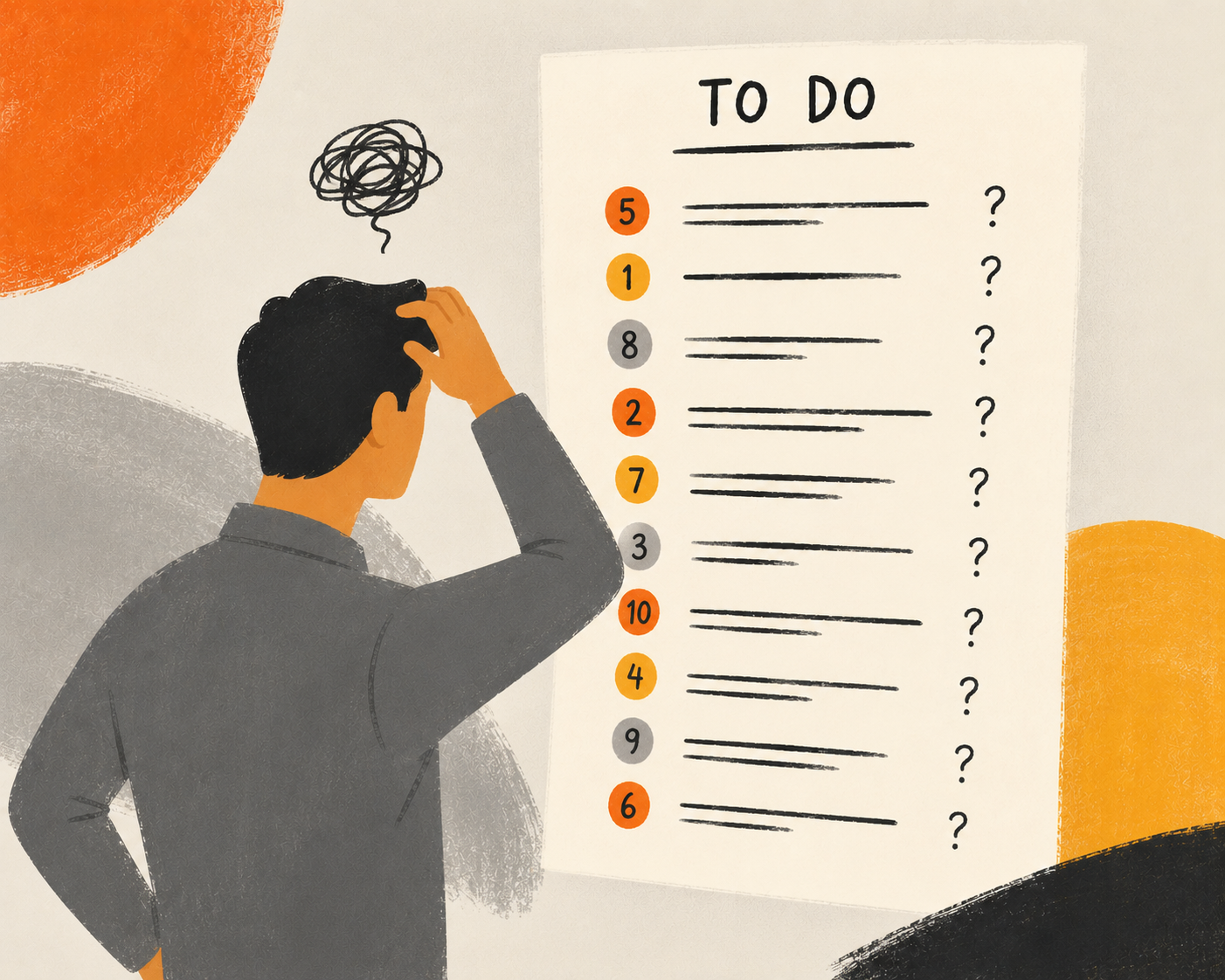
Improving executive functioning and communication skills are two of the most common areas I work on with clients. Examples related to executive functions include helping clients prioritize and schedule daily and weekly activities when there's so much to do; becoming motivated to work on school- or work-related projects that clients find uninteresting; staying committed to physical exercise routines and dietary goals that have become unexciting; organizing overstuffed work and living spaces that interfere with clients' physical and emotional comfort. When I work on communication skills with clients, we often focus on learning how to "read" cues from others while socializing. We also focus on developing listening skills and awareness for speaking too much or too little in conversations with others.
What do you do for your clients that you think is really helpful?
I listen, listen, and listen more. I let my clients set the pace for every session, and I speak as little as possible. This means there are often long silences. I'm comfortable with silence; it's not wasted time. I'm "listening" to my clients' silence and gently observing. This unrushed time gives them time to process their thoughts and feelings. The benefit to my clients is that it allows them to recognize their own internal resources rather than being told what to do.

What's the difference between what an ADHD coach does and what a mental health professional like a therapist or a psychologist does?
While the lines are sometimes gray, the main difference is that coaching is mostly future focused on practical, action-oriented outcomes that are related to the challenges presented by ADHD. I may dip briefly into a client's past to understand a current challenge, but we don't dwell on trying to understand why it exists. If the past becomes a stumbling block, I ask my clients to speak further about it with a qualified mental health professional. My work with clients centers on strategies they can develop now so that they can try out new behaviors.

What should a client expect to do in a typical coaching session with you?
Every session is preceded with my client filling out a prep form on which they identify a specific goal they want to tackle. During the coaching session it's the client's responsibility to explore and refine what that goal means and what life could look like if it's reached. My role is that of a curious listener. As an ADDCA-trained coach, I use my listening skills and ADHD focus to summarize, clarify, and observe. At the end of every session, my client leaves with a specific action plan, including cues, prompts, and tools to experiment with for reaching a desired goal.